7 Tips to Creating Wildlife Art
 Kerri Dixon
7 tips to make your wildlife art look realistic. Learn what to focus on, what to avoid, and how to build your skills with confidence.
7 Tips to Creating Realistic Wildlife Art
If you’ve ever sat down to draw an animal and thought…
“Why doesn’t this look right?”
“Why does it look flat?”
“Why can’t I get it to look realistic?”
You’re not alone.
And here’s the truth—
it’s not because you’re not talented.
It’s because realism isn’t about jumping straight into detail…
it’s about how you approach the drawing from the very beginning.
Let’s walk through the 7 biggest tips (and mistakes to avoid) when it comes to creating realistic wildlife art.
1. Start With Observation (Before You Even Draw)
Before you pick up a pencil—look.
Really look.
Not just at the animal… but at:
- How the fur flows
- Where the light hits
- Where the darkest darks sit
This is something I’ve become so aware of over time.
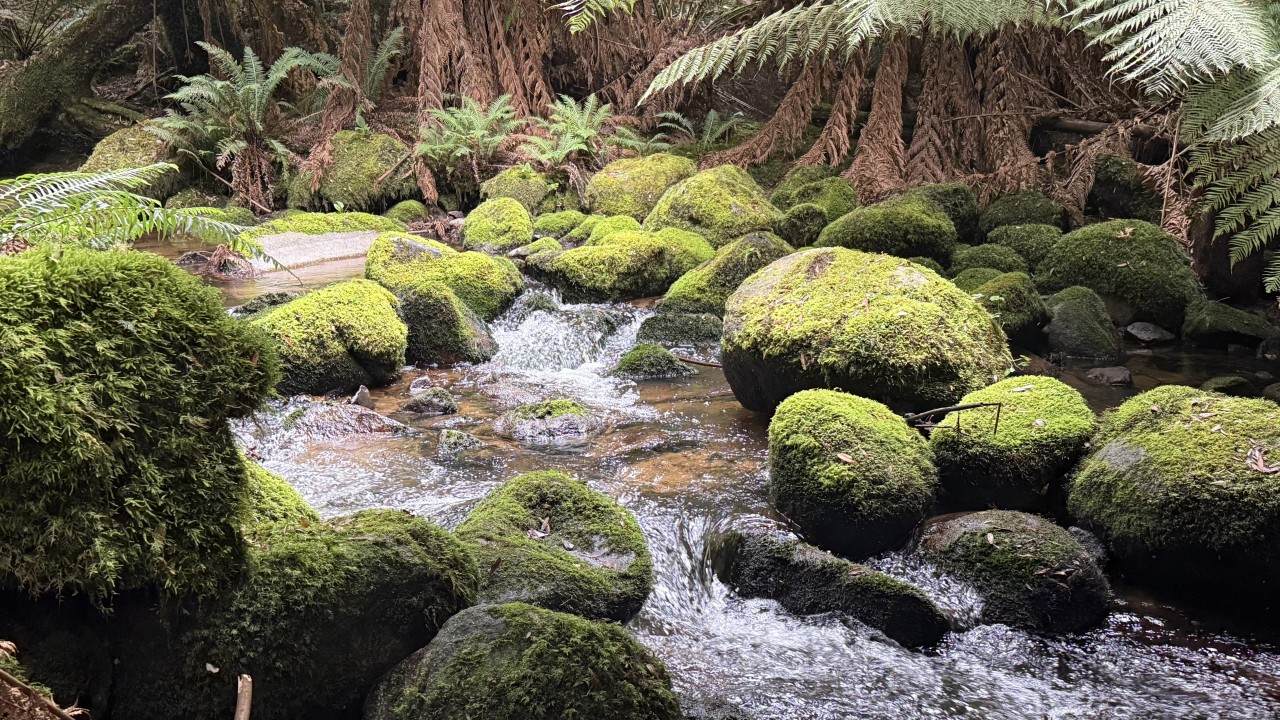
I noticed it recently at my art retreats in Tasmania. The first week, I rushed through a beautiful waterfall walk, barely noticing anything except the destination. But the second week? I slowed right down.
And suddenly… everything changed.
We found mossy rocks, tiny mushrooms, hidden creeks—things that would make incredible paintings.
That’s the difference.
You’re not just looking for a pretty photo.
You’re looking for a painting waiting to happen.
2. Use a Strong Reference Photo
This one matters more than most people realise.
A bad reference = a frustrating drawing.
Look for images that are:
- Clear
- Sharp
- Well-lit
Because if you can’t see the detail…
you simply can’t draw the detail.
If you take your own photos, even better—because you can start training your eye to see like an artist, not just a tourist.
3. Focus on Values First (This Is the Big One)
If you take nothing else from this post—take this.
Values are everything.
If your lights and darks are correct, your drawing will already feel realistic…
even before you add detail.
Try this:
Squint your eyes at your reference and simplify it into:
- Lights
- Mid-tones
- Darks
That’s it.
I see this all the time—even in my own work.
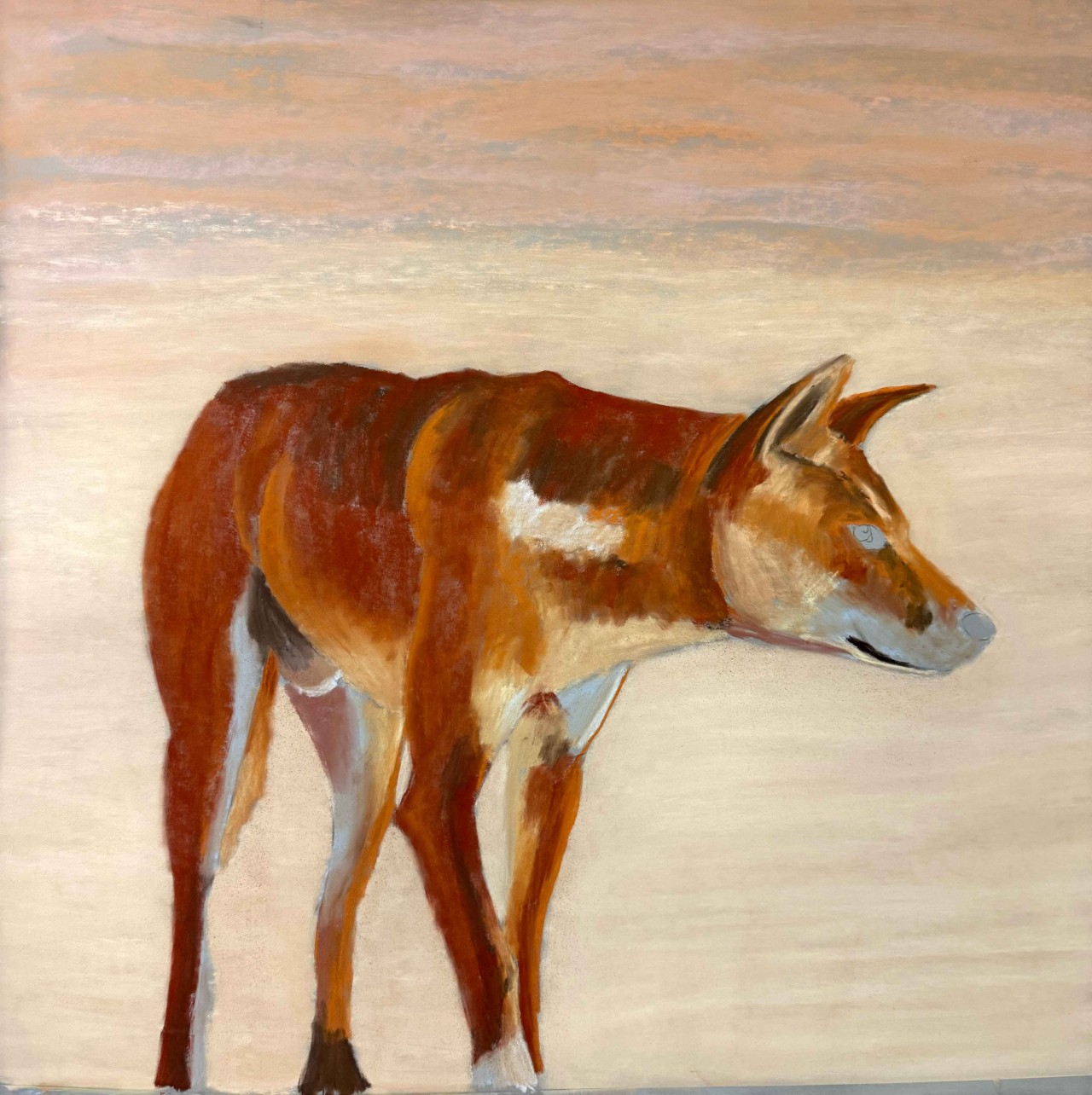
Recently, I finished a charcoal drawing and thought it was done. But when I stepped back, I realised I hadn’t pushed the darks enough in the foreground.
One small adjustment—and suddenly the whole piece had depth and life.
That’s the power of value.
4. Don’t Rush the Details
This is where most people go wrong.
Everyone wants to jump straight into fur, feathers, and tiny lines…
But realism is built in layers.
Start simple:
- Transfer your sketch or line art
- Block in the big shapes
- Establish your values
Then slowly build:
- Dark to light
- Big shapes to small details
Let the drawing develop naturally.
Because those beautiful fine details?
They only work when the foundation underneath is solid.
5. Practice Your Technique (and Experiment)
There’s no shortcut here… sorry 😅
Try different:
- Papers
- Pastels or pencils
- Blending techniques
This is how you figure out what works for you.
And more importantly—
this is how you start to develop your own style.
Because style doesn’t come from trying to be unique…
it comes from experience and repetition.
6. Be Patient With Yourself
Realistic art takes time.
Not just in a single drawing—
but over weeks, months, even years.
You’re not behind.
You’re learning.
And those “bad drawings”?
They’re not failures.
They’re part of the process.
You don’t need 100 perfect drawings…
but doing 100 imperfect ones?
That’s where the growth happens.
69de1e67b86d7_lg.png)
7. Share Your Work (Even When It’s Scary)
This is where confidence really starts to build.
Share your progress.
Ask for feedback.
Be part of a community.
Because when you do:
- You improve faster
- You stay motivated
- And you realise you’re not doing this alone
I see this every day inside my membership.
Women who thought they “weren’t creative” are now:
- Completing beautiful wildlife drawings
- Exhibiting their work
- Even selling their art
And that shift?
It starts with simply putting your work out there.
Final Thoughts
Realism isn’t about being perfect.
It’s about:
- Slowing down
- Learning to see
- Building your skills step-by-step
If you focus on the foundations—
the detail will come.
And one day, you’ll look at your work and think…
“Wow… I actually did that.”
Kerri xx
PS.✨ If you’d like step-by-step guidance with your wildlife art, you can join me inside The Creative Barn, where I teach you exactly how to build realistic drawings from start to finish—while being part of a supportive, encouraging community.
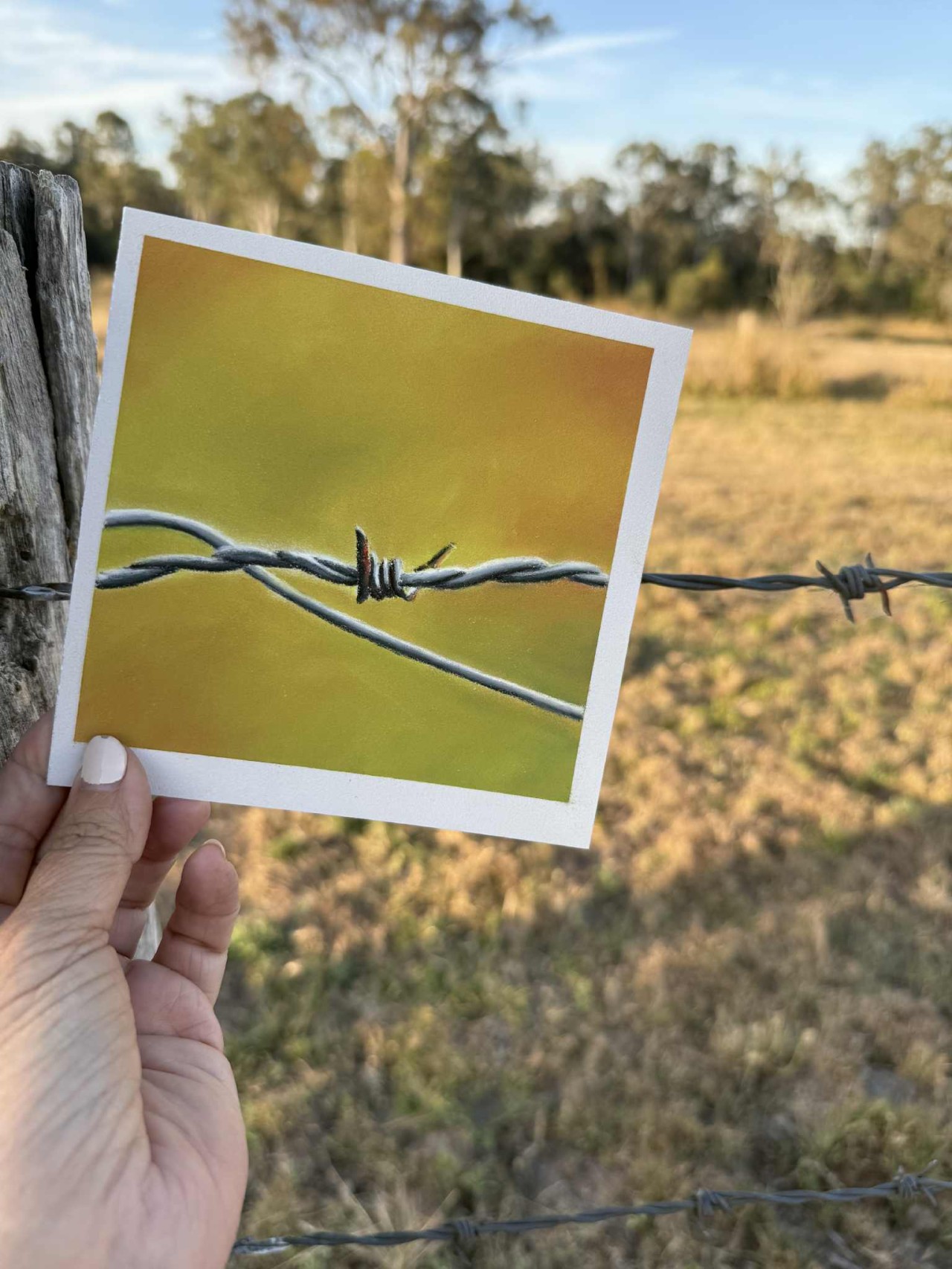
Want to learn about Soft Pastels?
Click on the button to register and get instant access to the free Pastel Basics for Beginners workshop.
Listen as I walk you through the essentials supplies needed to get started in Pastel painting.
I teach you how to create this little barbed wire piece during the class. Everything you need is in the PDF workbook you'll receive when you register.