Environmental Artists (Creating Art That Actually Matters)
 Kerri Dixon
Discover environmental artists and learn simple ways to create meaningful nature-inspired art that connects and inspires.
Environmental Artists (And How You Can Create Art That Actually Matters)
There’s a difference between art that looks good…
and art that stays with you.
You know the kind.
The piece that makes you pause.
That makes you feel something—even if you can’t quite explain why.
That’s often what environmental art does.
But here’s the thing most people get wrong…
You don’t need to be a famous artist or create something huge to make meaningful work.
🌿 What Is Environmental Art?
Environmental art is simply art that connects to the natural world.
It might:
- Capture the beauty of a place
- Reflect environmental change
- Or quietly tell a story about what’s happening around us
Sometimes it’s bold and confronting.
But often… it’s subtle, thoughtful, and deeply personal.
Environmental Art vs 🐾 Art for Conservation
You might hear these two terms used interchangeably—but they’re not quite the same thing.
Environmental art is about awareness, emotion, and reflection.
It invites people to notice and feel.
Artists like Zaria Forman create detailed pastel works of glaciers and oceans—capturing environments that are changing.
She’s not telling you what to do… she’s simply showing you what’s there.
Art for conservation, on the other hand, is more action-driven.
It’s created to:
- Raise awareness for a specific issue
- Support a cause
- Or encourage people to take action
The simple way to think about it:
- Environmental art helps people feel
- Conservation art helps people act
And the interesting part?
The same piece of art can do both.
Artists Who Inspire a Different Way of Seeing
Zaria Forman


Zaria Forman creates large-scale pastel drawings of glaciers, ice, and ocean environments.
Her work is quiet. Observational. Beautiful.
But it’s also powerful.
She documents landscapes that are changing—sometimes disappearing—due to climate change.
And she does it without telling you what to think.
Sometimes, simply showing something clearly… is enough to make people care.
Debbie Symons

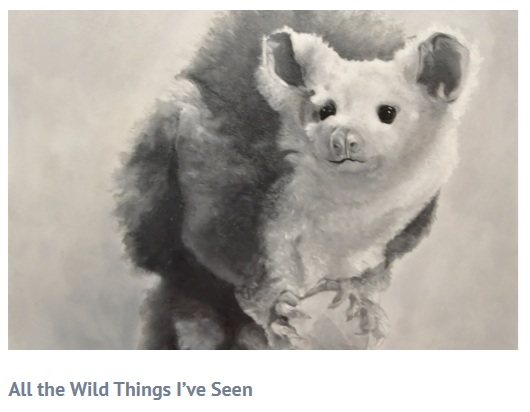
Debbie Symons’ All the Wild Things I’ve Seen series is full of detail and hidden meaning.
At first, you’re drawn in by the animals.
But as you look closer, you start to notice layers—mapping, habitat, environmental references.
Her work sits in that perfect space between beauty and message.
Diana Boyer

Diana Boyer’s watercolour series explores time and environmental change.
Her work isn’t loud or overwhelming.
Instead, it gently shows how things shift over time.
And sometimes, that quiet approach is what makes it so powerful.
Demiak (The Aftermath)


On the other end of the spectrum are artists who focus on the aftermath.
Demiak paints landscapes and homes after natural disasters.
There’s no chaos in the moment—just the stillness that comes after.
And in that stillness, you can feel the weight of what’s happened.
You Don’t Need to Be a Famous Artist
It’s easy to look at artists like these and think:
“That’s incredible… but I could never do that.”
But meaningful art isn’t about scale.
It’s about connection.
You don’t need:
- A gallery
- A huge audience
- Or years of experience
You just need to care about what you’re creating.
4 Simple Ways to Create Meaningful Environmental Art
🐾 1. Choose a Subject That Matters to You
Start with something you care about.
An animal.
A place.
A moment.
If your artwork helps someone else notice it… that matters.
🌱 2. Add a Quiet Story
It doesn’t have to be obvious.
Sometimes it’s:
- A watchful gaze
- A certain mood
- A subtle detail
Small choices can carry powerful meaning.
🎯 3. Use Titles to Add Depth
A title can completely shift how your artwork is experienced.
Simple titles like:
- Still Here
- Keeping Watch
- Last Light
…can guide the viewer into the story.
🌿 4. Create a Series
Instead of focusing on one finished piece, try creating a series.
The same subject:
- In different light
- Over time
- With different moods
This is where your work starts to say something deeper.
A Simple Place to Start
One of the easiest ways to begin is by focusing on a single species.
I’ll be doing this in an upcoming draw-along featuring a greater glider—a beautiful Australian animal that’s currently under threat.
It’s a simple way to:
- Build your skills
- Create something meaningful
- And connect with a bigger story
(Keep an eye out—I’ll be sharing more details soon.)
Final Thoughts
Environmental art doesn’t have to be big.
It doesn’t have to be complicated.
Sometimes it’s simply about:
- Paying attention
- Creating with intention
- And helping someone else see what you see
Because when people connect with your art…
they start to care.
And that’s where it becomes something more.
Kerri xx
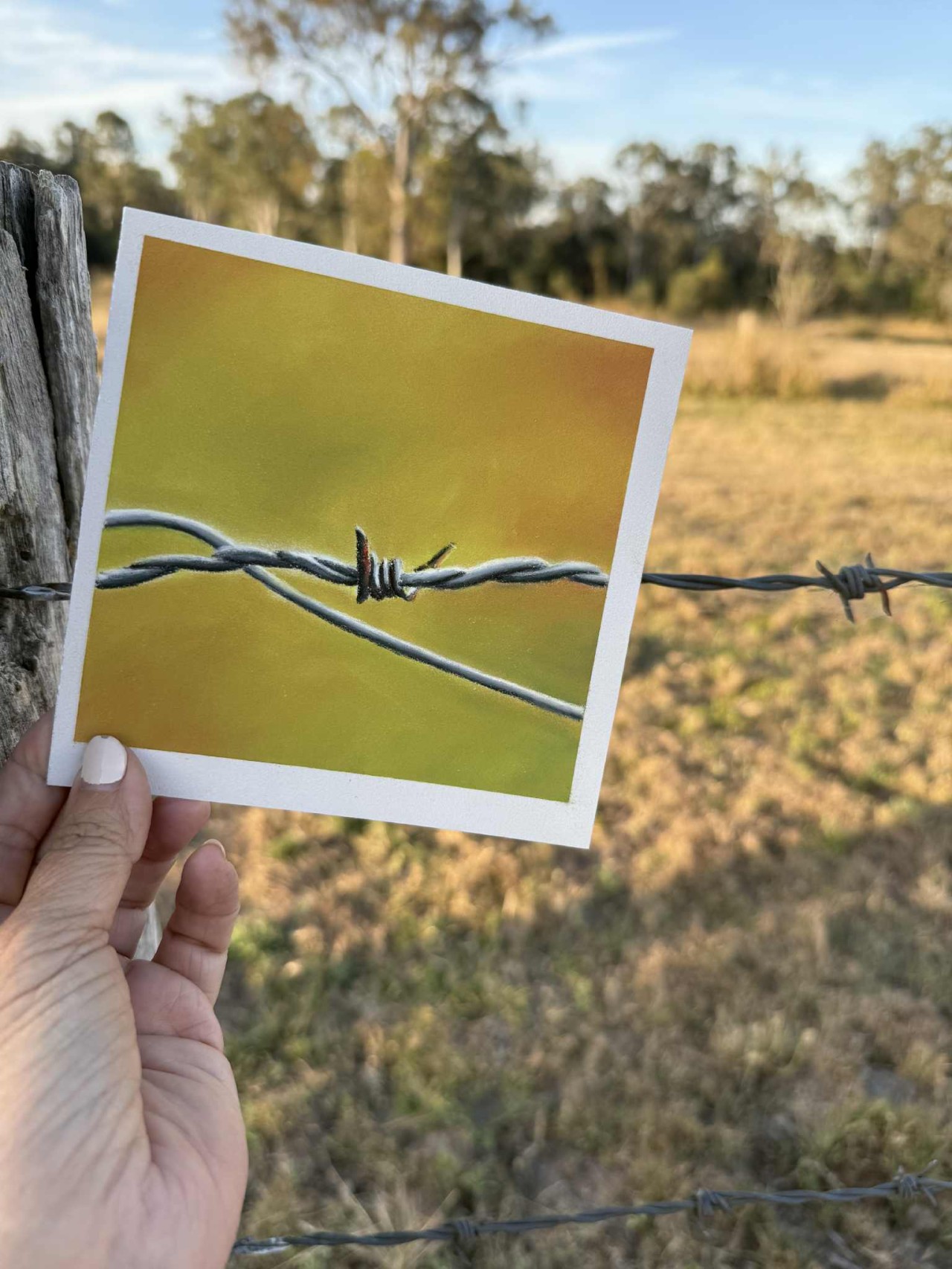
Want to learn about Soft Pastels?
Click on the button to register and get instant access to the free Pastel Basics for Beginners workshop.
Listen as I walk you through the essentials supplies needed to get started in Pastel painting.
I teach you how to create this little barbed wire piece during the class. Everything you need is in the PDF workbook you'll receive when you register.