How to sell your art without social media
 Kerri Dixon
Learn practical ways to sell your art and get seen without social media, using real-world strategies beyond the algorithm.
How to Sell Your Art Without Social Media
There’s this belief floating around that if you’re not constantly posting, dancing on Reels, or chasing engagement… you can’t sell art.
Not true.
Artists were selling art long before Instagram existed. And they’ll still be selling it long after the next platform disappears.
If you want stability in your art business, you need ways to reach people that don’t rely on borrowed platforms.
Here are some practical, real-world ways to sell your art — no social media required.
1. Offer Art at Different Price Points
If the only thing you have available is a $2,000 original, you’re limiting who can support you.
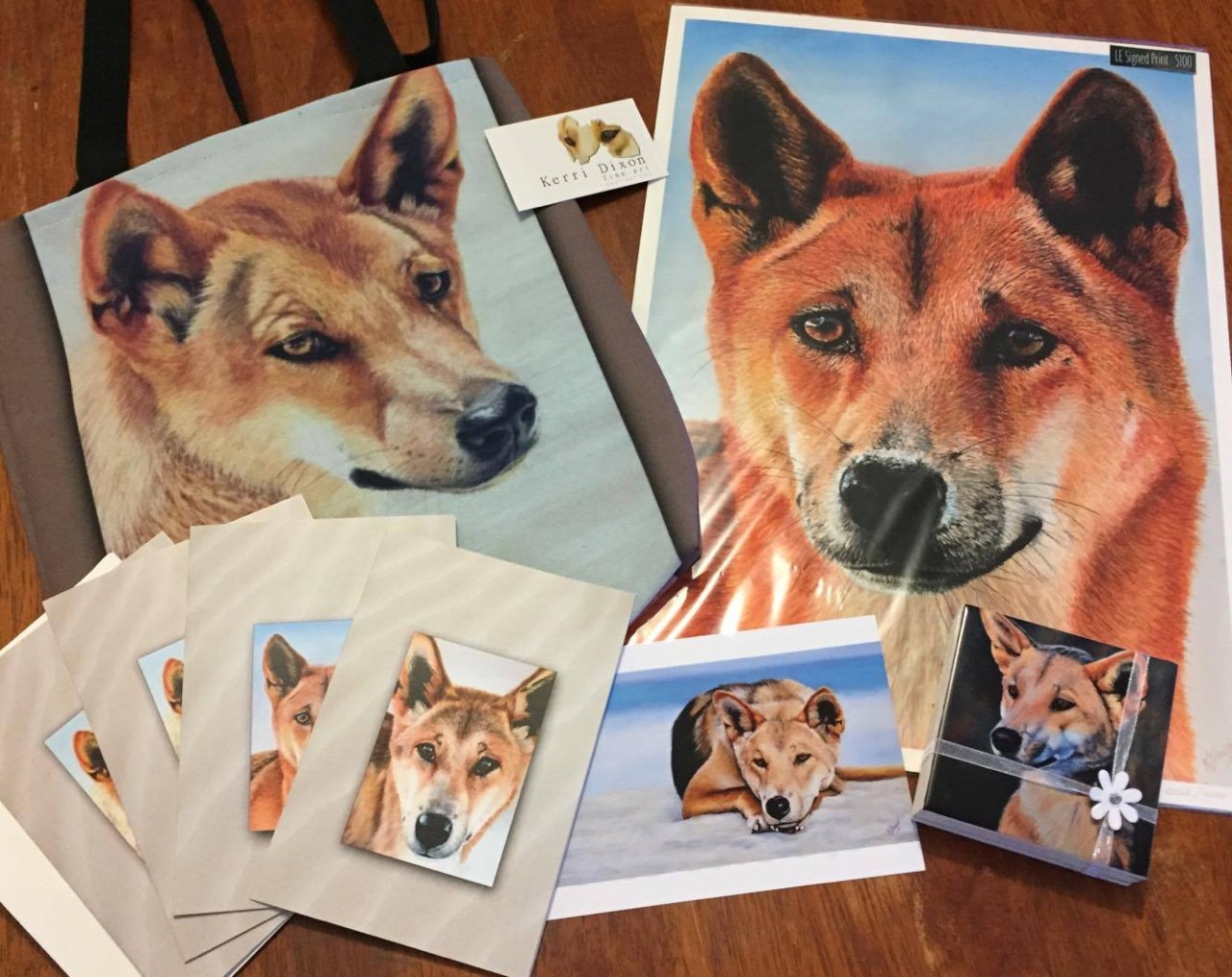
Create layers in your business:
-
Originals
-
Limited edition prints
-
Open edition prints
-
Cards
-
Stickers
-
Notebooks
-
Small framed studies
Not everyone can buy a large original. But many people can buy a $6 card or a $40 print.
That card might sit on someone’s fridge for years. That person might later become a serious collector.
Give people options. Make it easy to say yes.
2. Art Markets & Local Shows
In Australia, markets aren’t always strictly “art markets” like they are in parts of the US — but they still work.
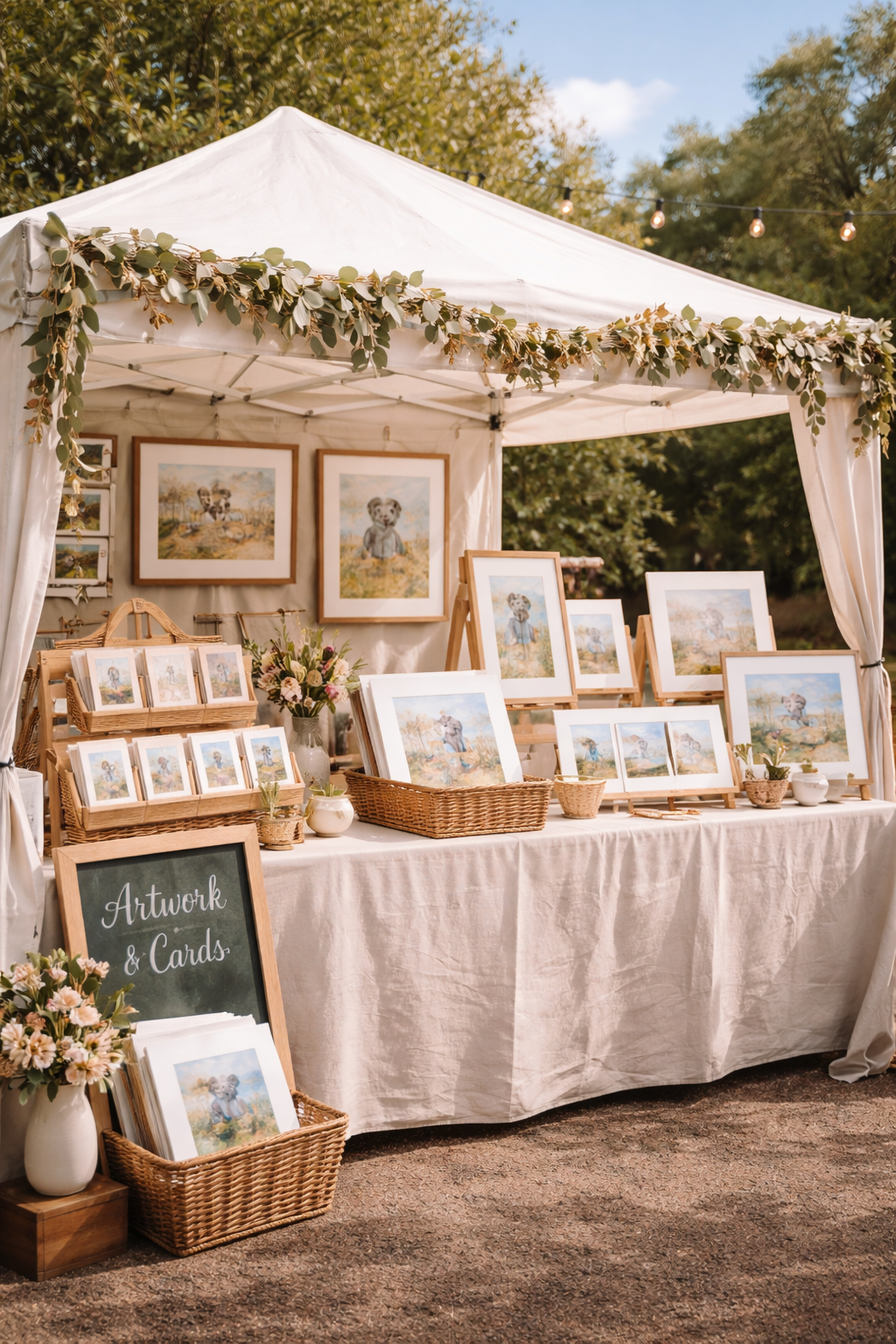
Do your research before booking:
-
Who usually has stalls there?
-
Is it handmade-heavy?
-
Does it attract tourists?
-
Does your work suit the demographic?
Yes, there’s a fee to enter.
Yes, it takes effort.
But what you gain is powerful:
-
Face-to-face conversations
-
Immediate feedback
-
Email sign-ups
-
Direct sales
-
Real people seeing your work in person
Some American artists travel for six months a year doing art fairs and spend the other six months creating.
You don’t need a following.
You need visibility.
3. Display Your Work in Cafés, Breweries & Wineries
This is one of the most underrated strategies.
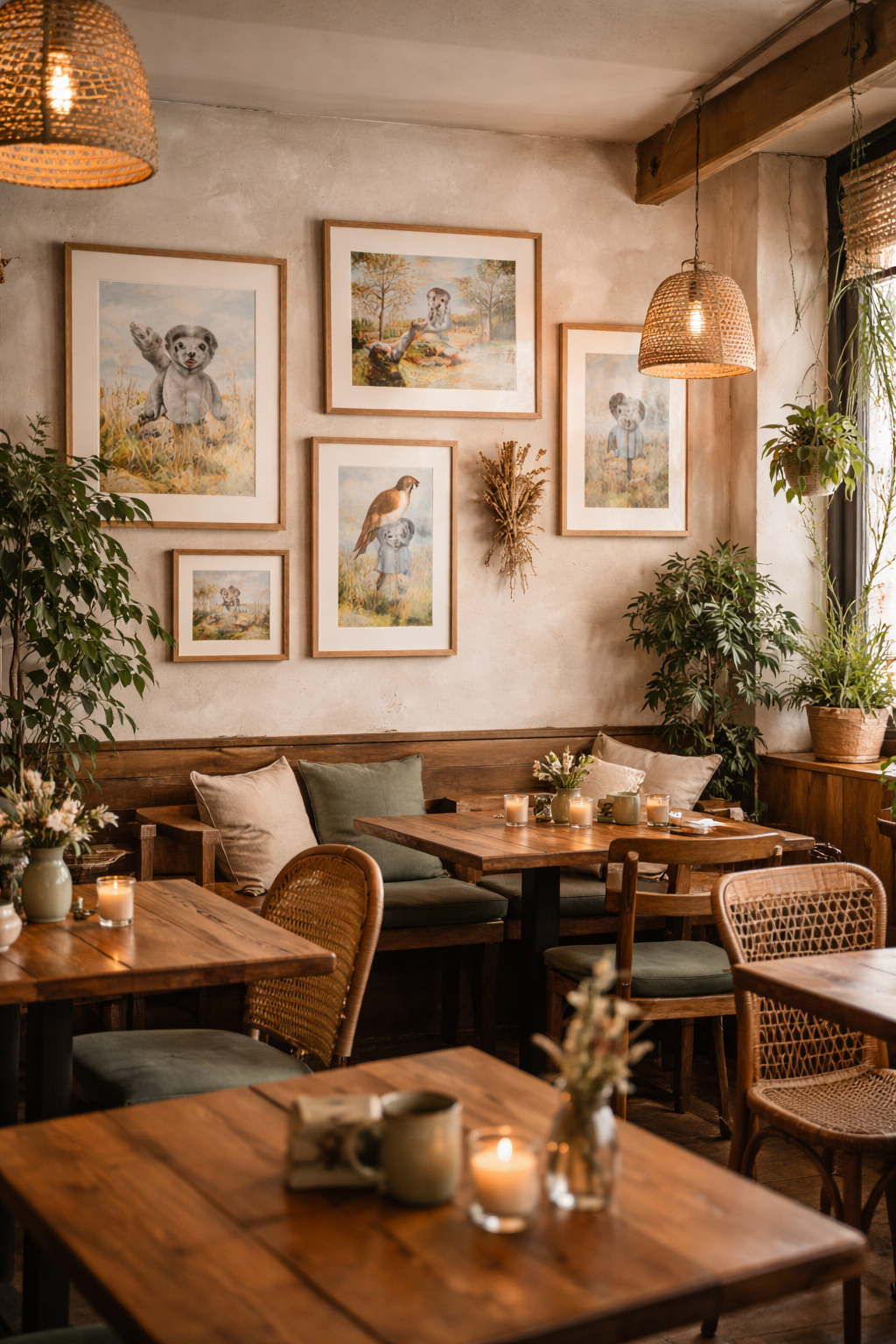
Reach out to:
-
Local cafés
-
Breweries
-
Wineries
-
Boutique hotels
-
Restaurants
Offer to hang your work for 4–8 weeks.
It’s a win-win.
They get:
-
Free décor
-
An opening night event that brings customers
-
Community engagement
You get:
-
Free wall space
-
Exposure to locals and tourists
-
100% of your sales
-
No commission fees
You don’t need social media followers to do this.
You just need to send the email.
Keep it simple, professional, and confident.
Here's a sample email template you could use.
Simple Outreach Formula:
Hi [Business Name],
I’m a local wildlife artist and I’m looking to host a small exhibition featuring my work. I love the atmosphere of your space and think my artwork would suit it beautifully.
Would you be open to displaying a collection for 6 weeks? I’d also be happy to host an opening night event to bring customers into your venue.
Looking forward to hearing from you,
Kerri
Done. Send it. Worst case? They say no.
4. Make It Easy to Take Payment
If someone wants to buy your work, don’t create friction.
Have a system ready:
-
A card reader
-
An EFTPOS app
-
Invoice capability
-
Cash handling plan
If someone says, “I love it, I’ll take it,” you should be able to complete that sale on the spot.
Professionalism builds trust.
5. Business Cards Still Matter
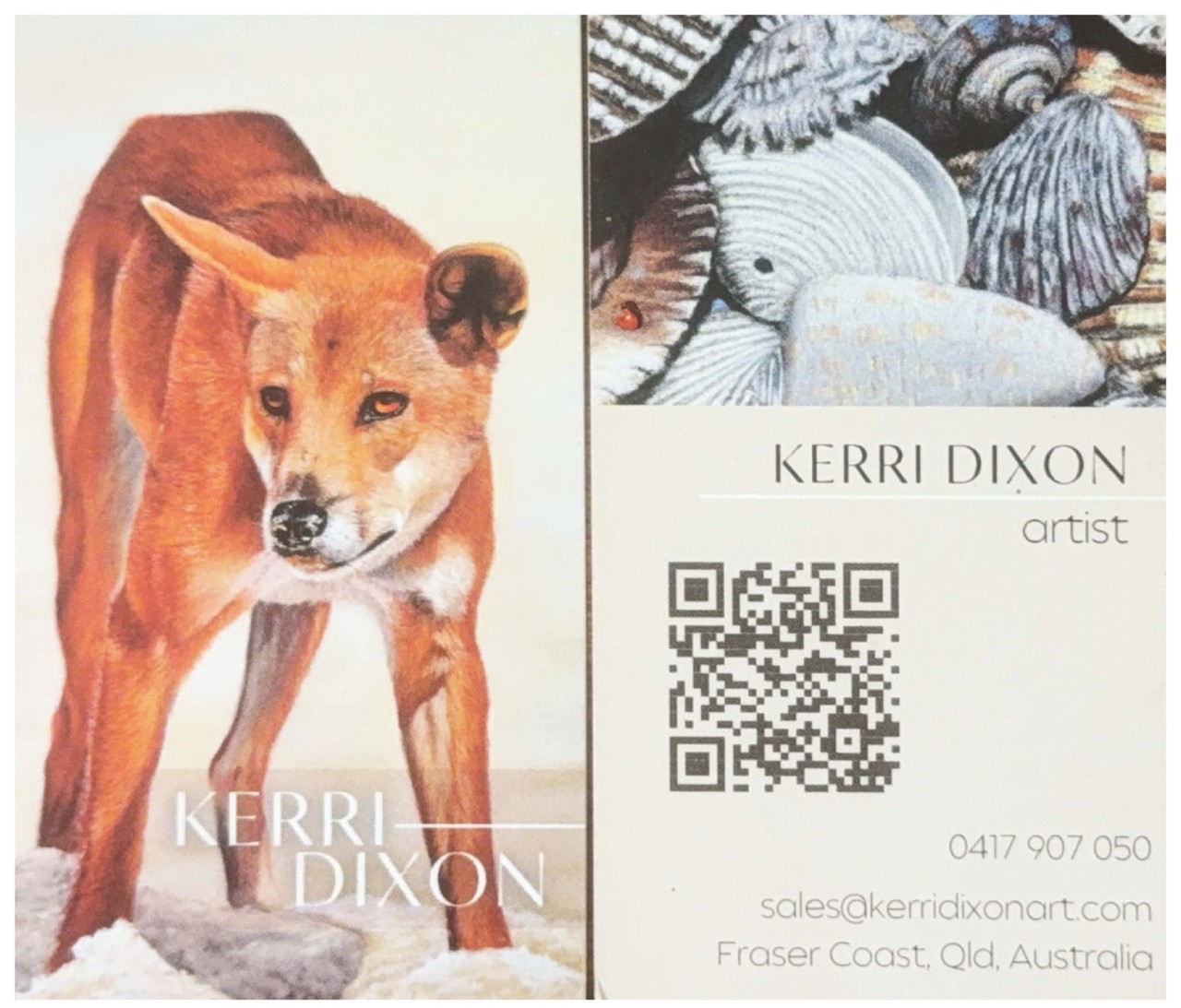
Yes, they’re old school.
But they work.
Make sure your card includes:
-
Your name
-
Your email
-
Your website
Not just your Instagram handle.
Social media platforms can disappear overnight. Your website and email list are assets you own.
6. Open Studio Days
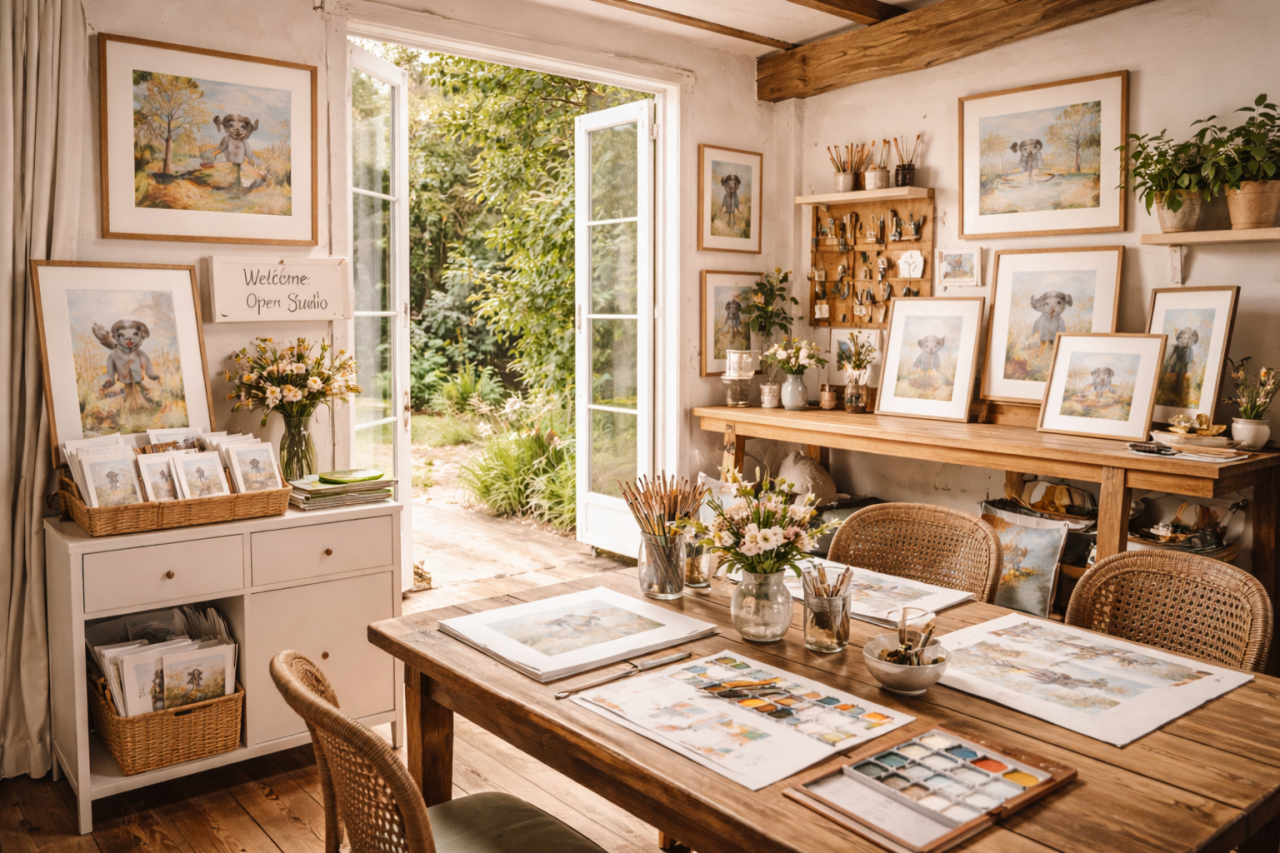
Invite people into your creative world.
Host an open studio once or twice a year. It doesn’t have to be fancy.
-
Clear signage
-
Artwork displayed and priced
-
Tea and coffee available
-
A warm welcome
People love seeing where art is made. It builds connection and trust.
Collectors buy stories. An open studio gives them one.
7. Local Art Society Exhibitions
Regional art societies often have built-in audiences.
They already:
-
Promote exhibitions
-
Have mailing lists
-
Attract foot traffic
-
Host opening nights
Show up to the opening. Talk about your story. Engage.
It’s not about explaining technique — it’s about sharing meaning.
That’s what sells.
8. Collaborate with Interior Designers
Interior designers are constantly sourcing artwork for clients.
They care about:
-
Professionalism
-
Reliability
-
Quality
-
Consistency
They do not care how many followers you have.
Build a simple portfolio. Reach out professionally. Offer trade pricing for repeat work.
One good designer relationship can lead to ongoing sales for years.
9. Partner with Wildlife or Community Organisations
If your art connects with a cause — use that.
Consider:
-
Donating a percentage of sales
-
Creating limited edition fundraising prints
-
Hosting a charity exhibition
-
Running a raffle
Organisations promote you to their audience. Buyers feel good supporting something meaningful.
Purpose and profit can work together.
10. Pitch Local Media
Local newspapers and radio stations are always looking for community stories.
If you’re:
-
Hosting an exhibition
-
Running a fundraiser
-
Holding an open studio
-
Teaching workshops
-
Entering a major competition
That’s a story.
Send a short press release with a good image and your contact details.
Local audiences are often established buyers who value supporting local artists.
11. Speak at Community Groups
Offer a talk to:
-
Rotary
-
Probus
-
Women’s groups
-
Wildlife groups
-
Garden clubs
-
Retirement communities
Share:
-
Your story
-
Your process
-
Your conservation work
-
A short demo
Bring prints, cards, order forms.
You’re not “selling.” You’re sharing.
People buy from people they’ve met.
The Big Picture
Social media is a tool.
It is not your business model.
If it disappeared tomorrow, would your art sales survive?
Build:
-
Real-world relationships
-
Multiple price points
-
Email list growth
-
Local partnerships
-
Professional systems
You don’t need 10,000 followers.
You need 100 real people who care.
And that?
Is a much more stable foundation.
If this resonated with you and you’re craving more structure, guidance and encouragement, you’ll feel right at home inside The Creative Barn Membership.
Kerri xx
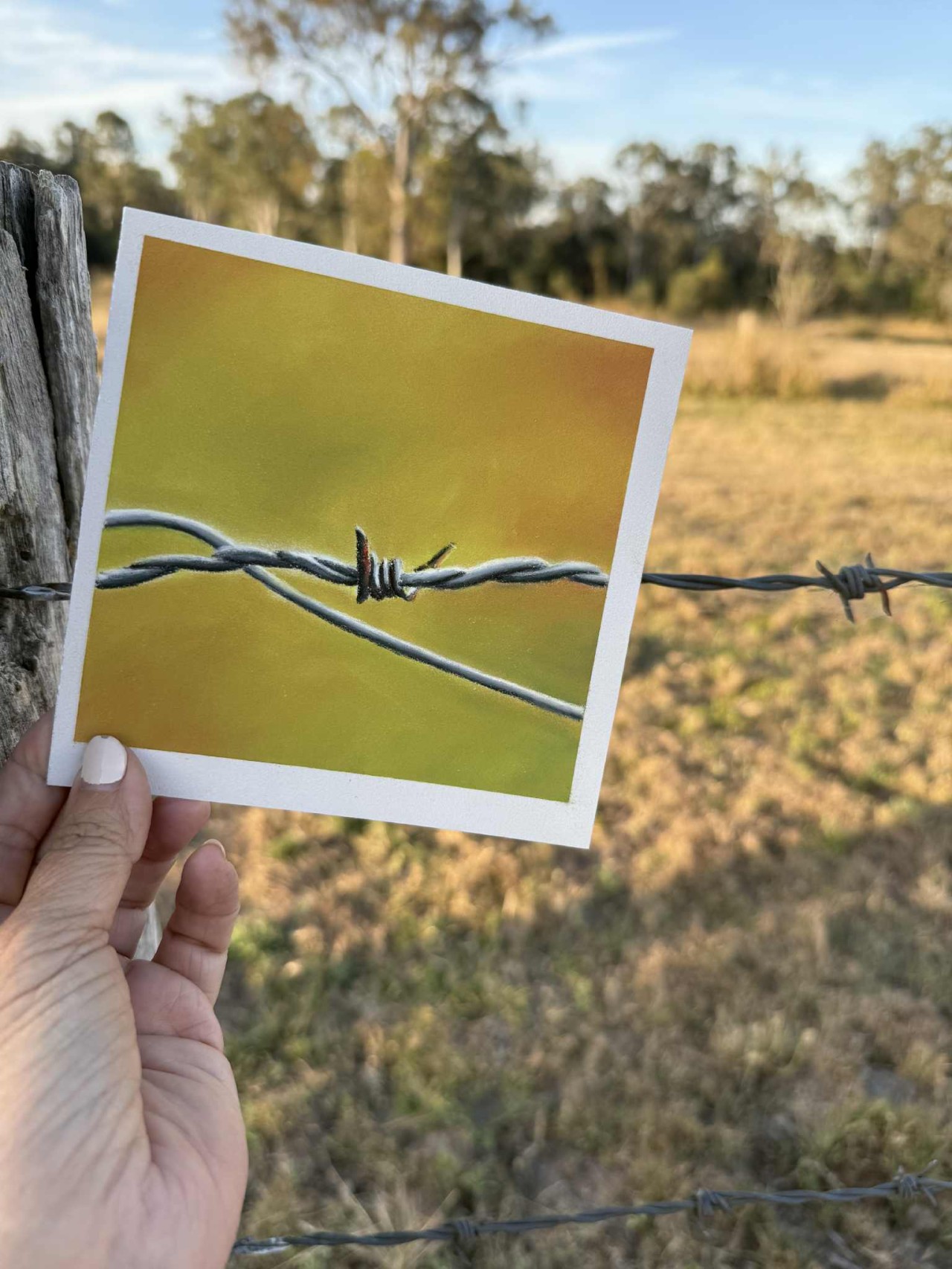
Want to learn about Soft Pastels?
Click on the button to register and get instant access to the free Pastel Basics for Beginners workshop.
Listen as I walk you through the essentials supplies needed to get started in Pastel painting.
I teach you how to create this little barbed wire piece during the class. Everything you need is in the PDF workbook you'll receive when you register.