Drawing Endangered Animals: Raising Awareness Through Art
 Kerri Dixon

Discover how wildlife art can raise awareness, support conservation and inspire others to care about threatened and endangered species.
Drawing Endangered Animals: Raising Awareness Through Art
Can a drawing actually make a difference?
It’s something I’ve been thinking about a lot lately, especially after our most recent Draw for Wildlife event.
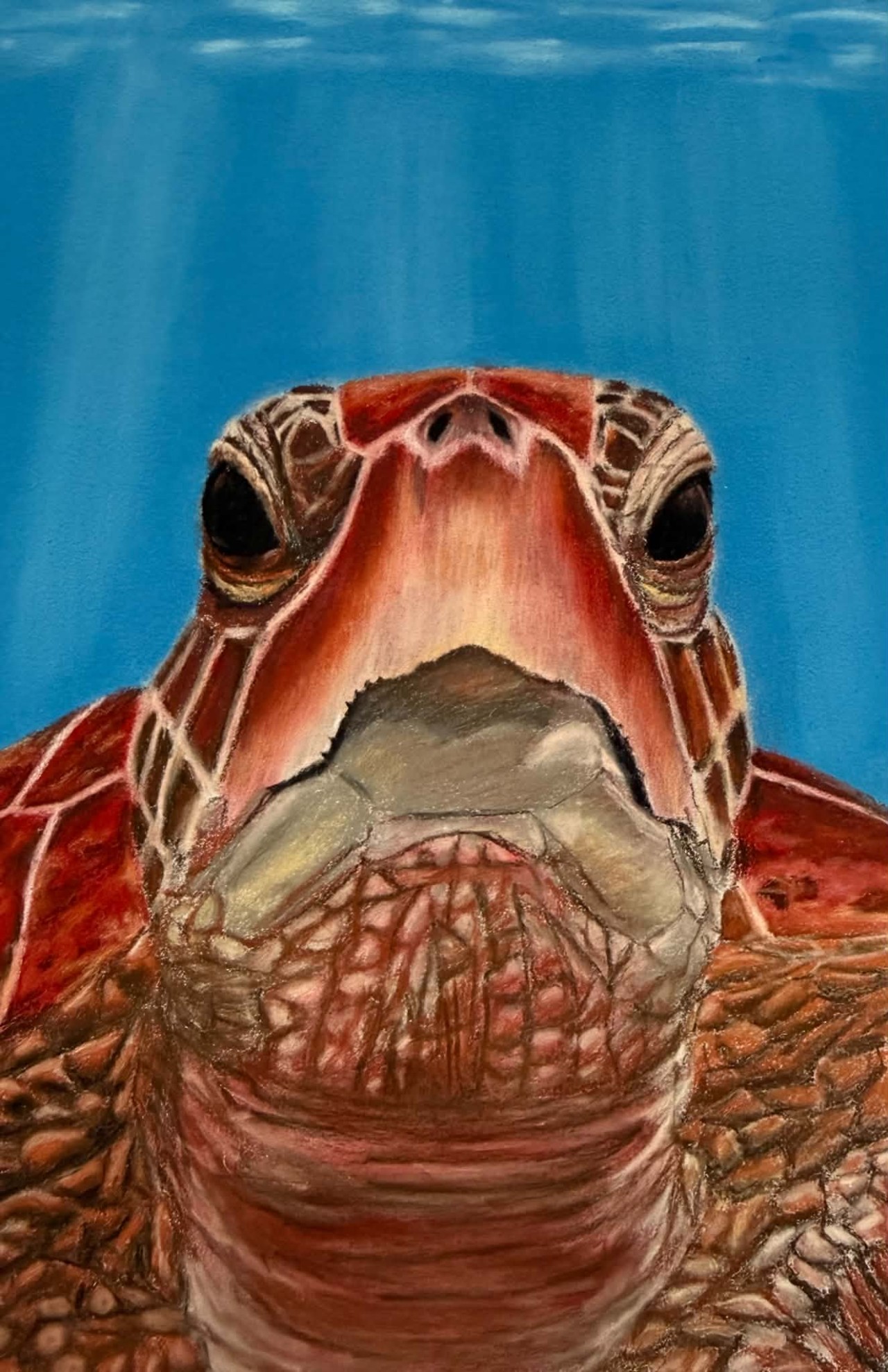
For two hours, artists and animal lovers from around the world came together online to draw a juvenile green sea turtle named Elliott. Some were experienced artists, some were beginners, and some simply came along because they cared about turtles.
There were 135 people involved, and together we raised $1,350 for Turtles in Trouble Rescue.
All from sitting down together and drawing one little turtle.
Now, obviously, we didn’t save the world’s sea turtles in two hours. But 135 people spent an evening thinking about turtles, hearing their stories, learning a little more about the challenges they face and helping a small rescue organisation continue the work they’re already doing.
And that got me thinking.
As wildlife artists, could the animals we choose to draw actually help the animals themselves?
We Notice What Others Might Walk Past
One of the wonderful things about drawing wildlife is that we spend a ridiculous amount of time looking at animals.
If you’ve ever spent three hours trying to work out exactly where the highlight sits on a bird’s eye, you’ll know what I mean!
We notice the colours in their feathers, the direction of their fur, the shape of their feet and the tiny markings around their eyes.
And often, while researching an animal we want to draw, we start learning about the animal itself.
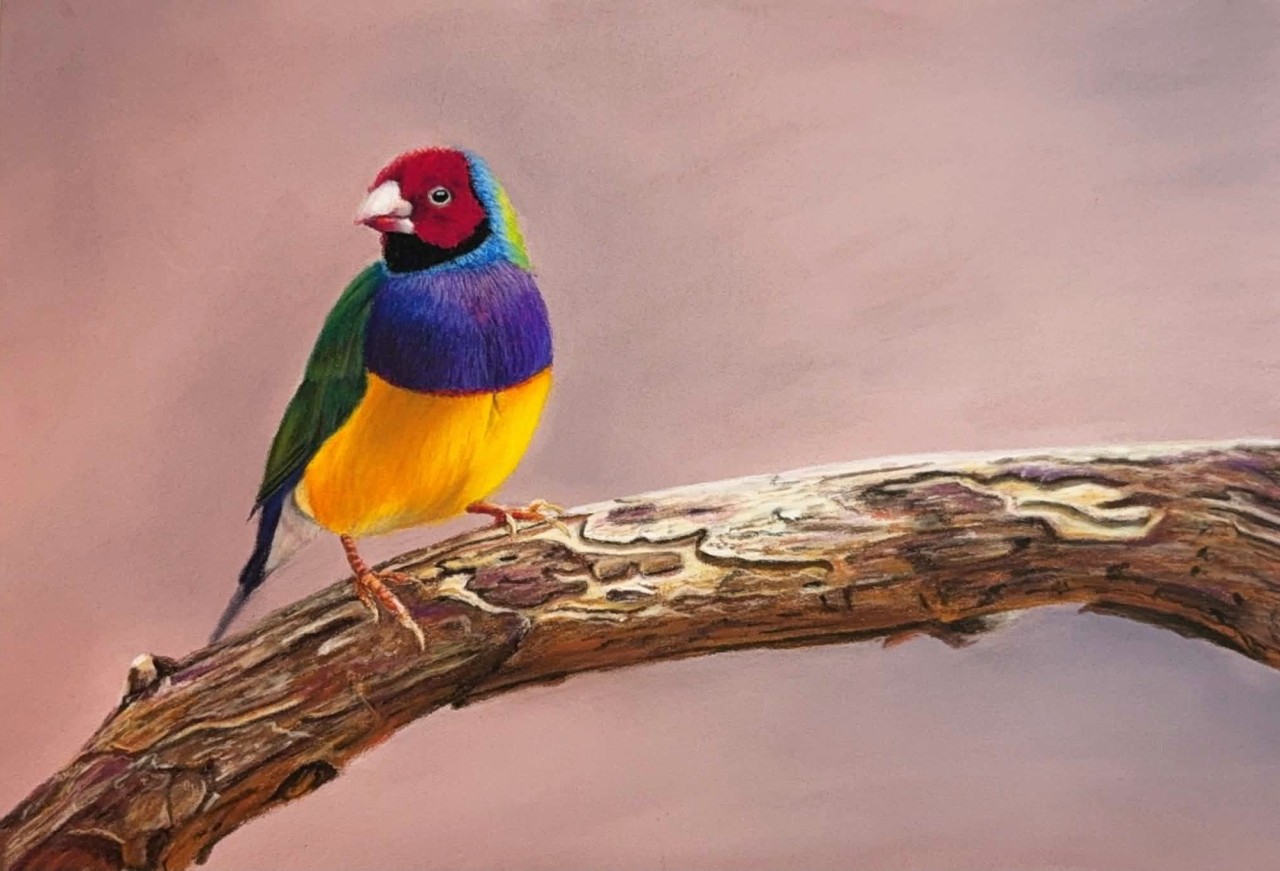
A good example for me is the Gouldian finch.
They’re spectacular little birds. Their colours almost look as though someone has gone a bit overboard with the paintbox.
My husband used to breed Gouldian finches, so I was already very familiar with them, and because they're commonly seen in aviaries, it would be easy to assume they're doing perfectly well.
But seeing an animal regularly in captivity doesn't necessarily tell us what's happening to its wild populations.
Suddenly a pretty little bird painting can become an opportunity to tell someone something they didn't know.
And I think that's where wildlife artists have a really interesting role to play.
Beauty can be the doorway into conservation.
Someone might scroll straight past an article about declining wildlife populations, but stop to look at a beautiful painting.
Now you have their attention.
And once someone becomes interested in the animal, they may become interested in its story too.
Sometimes the Animal Is in Your Own Backyard
We often associate endangered wildlife with animals somewhere far away.
Orangutans in Borneo. Tigers in Asia. Polar bears in the Arctic.
But sometimes threatened wildlife is much closer than we realise.
Our first Draw for Wildlife featured the greater glider, and this animal has a particularly personal connection for me because we have greater gliders living here on our farm.
There's something quite confronting about discovering that an animal you know from your own surroundings is threatened.
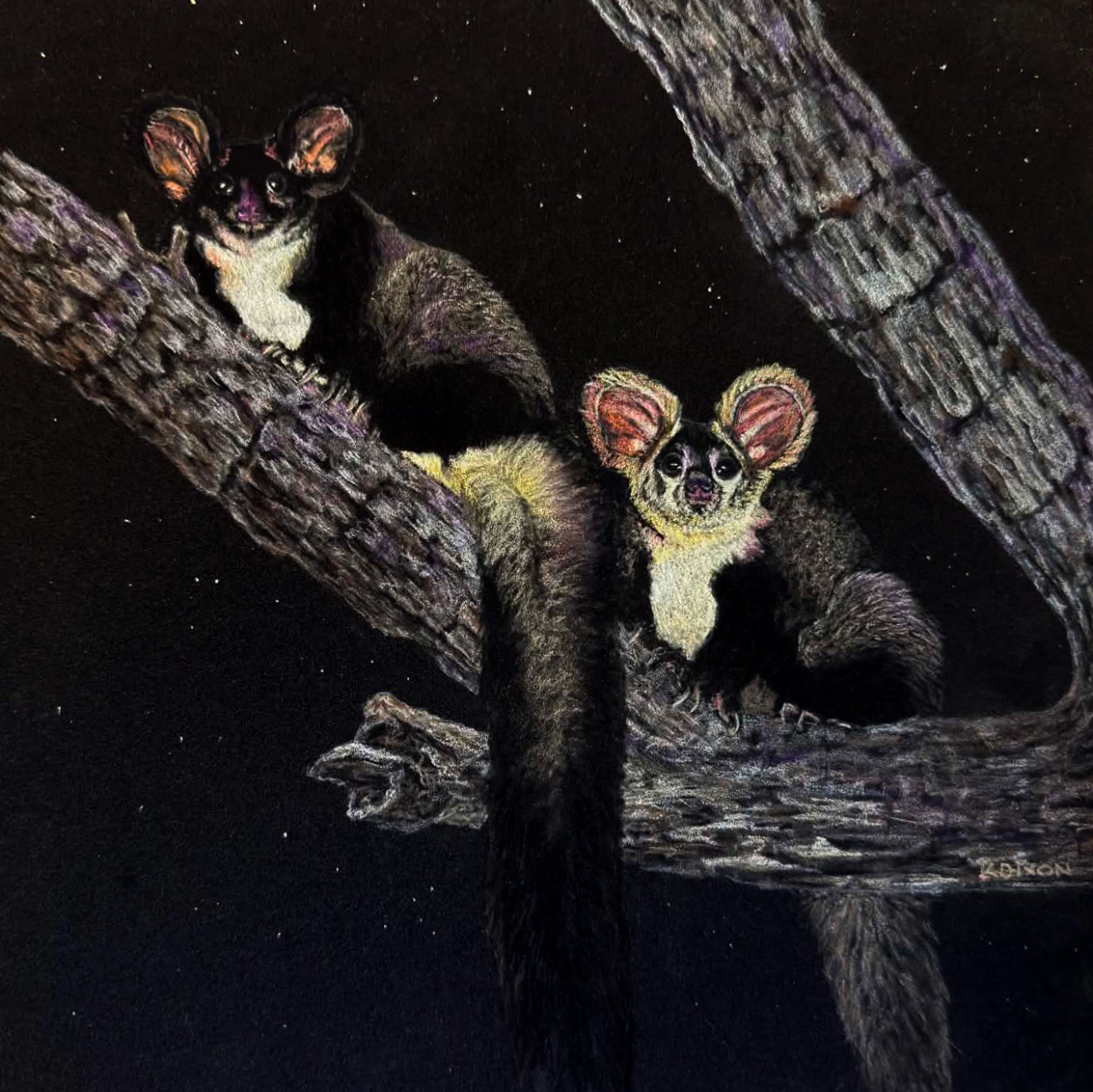
It stops being a distant conservation problem.
It's your neighbour.
And this is something I'd encourage every wildlife artist to investigate:
What threatened species live in your area?
You might be surprised.
There could be birds, mammals, frogs, reptiles, insects or plants living practically in your backyard that are facing pressures you knew nothing about.
And perhaps one of those becomes your next subject.
Conservation Art Doesn't Have to Be Sad
When we think about conservation imagery, we often think about confronting photographs.
An injured animal.
A turtle tangled in fishing line.
Habitat destruction.
Plastic in the ocean.
Those images absolutely have their place, but I don't think conservation art always needs to show suffering to have an impact.
Most of my wildlife art doesn't.
I want to show people how beautiful these animals are.
Their personalities.
Their expressions.
Their environment.
The little things that make us stop and look at them.
Because sometimes making someone fall in love with an animal is enough to make them want to protect it.
Your artwork can simply say:
Look at this incredible creature. It's worth keeping around.
Let Your Artwork Keep Working After You've Finished It
Here's an idea I absolutely love for exhibitions.
Imagine you've created a beautiful drawing of a threatened species.
Beside your normal artwork label, you add a little information:
GREATER GLIDER
Endangered
A quiet resident of Australia's forests — and occasionally my farm.
Underneath is a small QR code with:
Learn more about Greater Gliders
That QR code could take the viewer directly to a reputable conservation organisation working with that species or its habitat.
Think about what that does.
Your artwork isn't just hanging on a wall waiting for somebody to buy it.
It's educating every person who stops to look at it.
And you don't have to handle donations, organise anything or become a conservation expert.
You're simply using your artwork to point people towards the people who are already doing the work.
I'd love to see more wildlife exhibitions doing this.
Help — Without Creating More Work
This has actually become an important part of the way I think about fundraising.
Small wildlife rescue and conservation organisations are often incredibly busy.
They're rescuing animals, transporting them, rehabilitating them, organising volunteers, applying for funding, answering messages and doing all the boring administrative stuff nobody sees.
Then along comes an enthusiastic artist saying:
"I've got a fantastic fundraising idea!"
Which is wonderful…
except sometimes our fantastic idea gives an already overstretched charity another 15 jobs to do!
This was something I was very conscious of when I created Draw for Wildlife.
I wanted it to be simple.
I organise the event.
I create the artwork and resources.
I teach the class.
I handle the registrations.
I promote it to my audience.
The conservation organisation can share the event if they want to, but I'm not asking them to run it.
Then the money raised goes to them.
I think it's a useful question to ask if you're considering using your art to support a cause:
"How can my art help this organisation?"
Rather than:
"How can this organisation help me run my fundraising idea?"
It's a small shift in thinking, but an important one.
You Don't Need to Run a Fundraising Event
Of course, you don't need to create your own version of Draw for Wildlife.
There are much simpler ways artists can contribute.
For quite some time, whenever I sold one of my K'gari dingo paintings or prints, I donated 10% of the sale to Save the Fraser Island Dingoes.
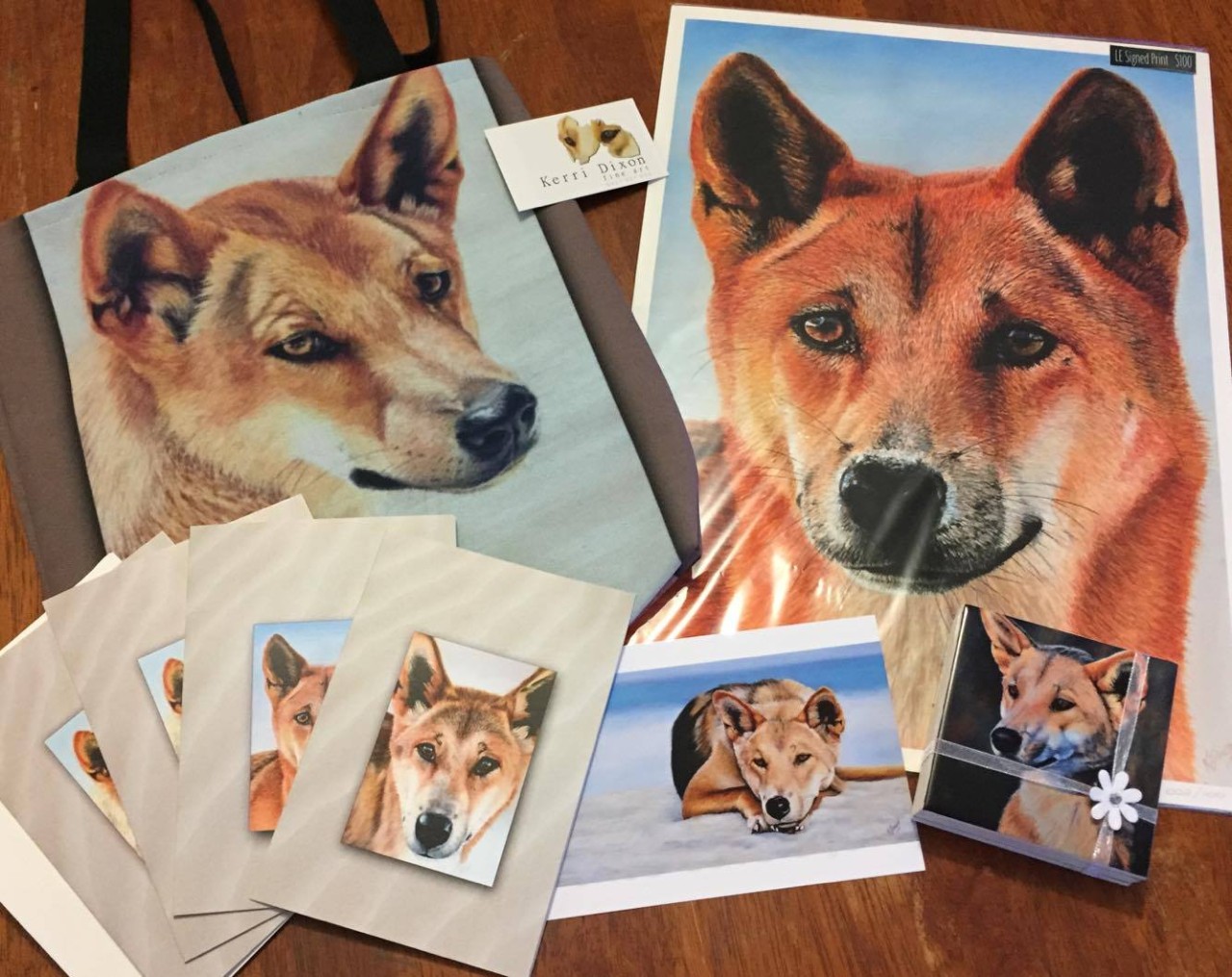
It connected the artwork directly with the animal that inspired it.
You could do something similar with one particular painting or an entire series.
You could donate an artwork to an auction.
Create a special print.
Run a small workshop.
Use an exhibition to raise awareness.
Share information alongside your wildlife artwork on social media.
Or simply use your platform to point people towards a conservation organisation doing good work.
It doesn't have to raise thousands of dollars to matter.
If your artwork raises $20 for a wildlife rescue organisation, that's $20 they didn't have before.
If your post introduces ten people to a threatened species they've never heard of before, that's ten more people who now know that animal exists.
Small things add up.
The Story Beside the Artwork Matters
This is probably one of the easiest things every wildlife artist can start doing.
When you finish your next wildlife painting, instead of posting:
"Here's my latest pastel painting. I used pastel pencils on Pastelmat."
Tell us about the animal.
Why did you choose it?
Where does it live?
What surprised you when you researched it?
Is it threatened?
What challenges does it face?
Is there something unusual about its behaviour?
You don't need to write an essay.
One little piece of information can completely change how someone sees your artwork.
The artwork makes us stop. The story makes us care.
And that, to me, is where art can become incredibly powerful.
Not Every Painting Needs to Save the World
I also want to make something very clear.
You are absolutely allowed to draw an animal simply because you think it's beautiful.
Not every zebra needs a mission statement!
Not every bird drawing needs to raise money.
Art is allowed to be joyful. It's allowed to be something you do purely because you love doing it.
But every now and then, we have the opportunity to make one of those artworks do a little more.
Maybe the next time you're deciding what to draw, instead of choosing another reference photograph simply because it's pretty, you deliberately choose a threatened species.
Then ask yourself:
Could I use this artwork to tell somebody something they didn't know?
The Endangered Animal Art Challenge
So here's a little challenge for you.
Find one threatened or endangered species from your own region.
Not necessarily the most famous one.
Do a little research.
Learn where it lives, what makes it special and why its population is under pressure.
Then create something.
It could be a finished pastel painting, a graphite drawing, a watercolour, a sketchbook study or a quick little drawing.
This isn't about creating an award-winning masterpiece.
It's about spending time with that animal.
And when you share your artwork, don't just tell us what pencils you used.
Tell us one thing you discovered about that animal that you think other people should know.
Imagine if hundreds of artists did that.
Hundreds of artworks.
Hundreds of species.
Hundreds of little stories reaching people who might otherwise never have heard them.
Start With What You Already Know How to Do
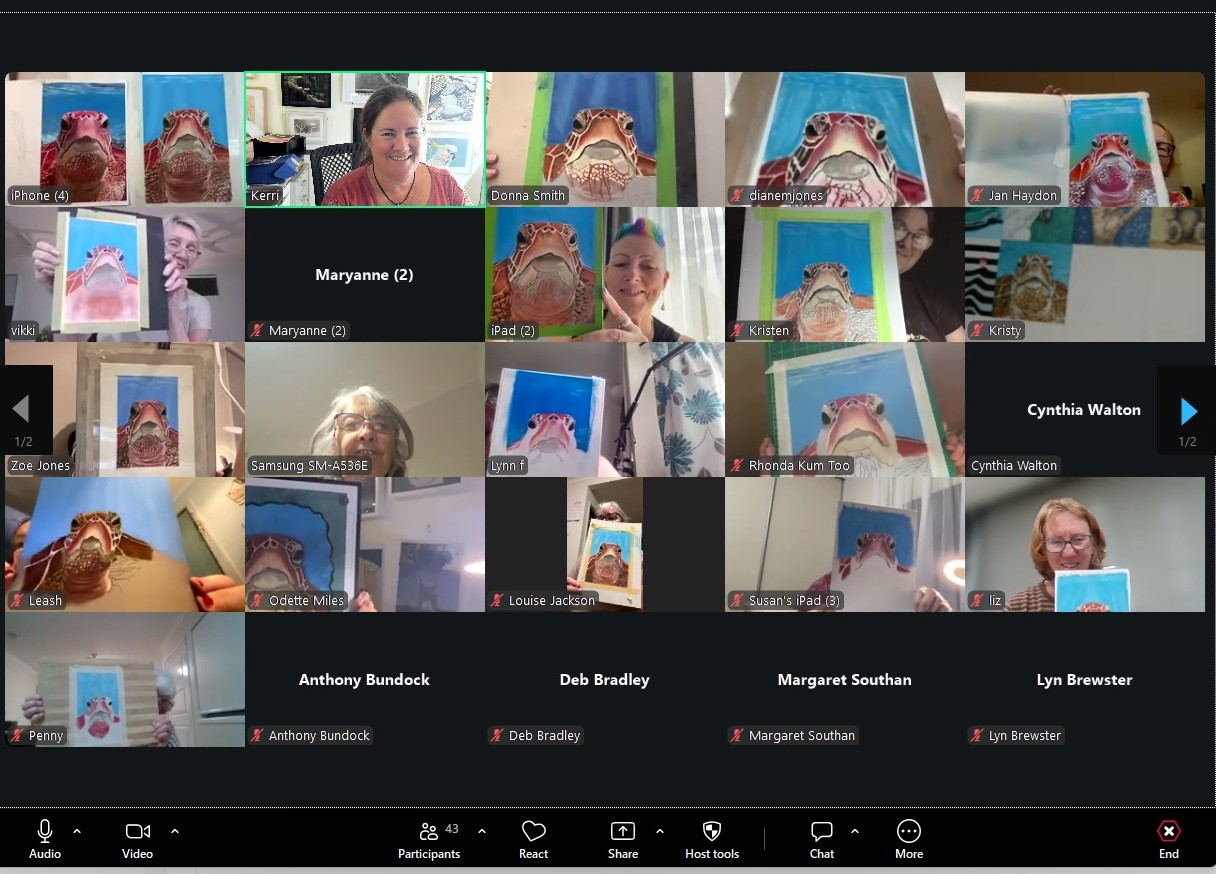
I keep coming back to our little turtle, Elliott.
One drawing.
135 people.
Two hours together.
$1,350 raised for a wildlife rescue organisation.
It wasn't a huge international fundraising campaign.
It was simply a group of people using something they already loved doing — creating art — to help something they cared about.
And I think that's the lesson I want to leave you with.
You don't need a massive audience.
You don't need to be a famous wildlife artist.
You don't need to start a charity.
And you certainly don't need every artwork you create to change the world.
Start with what you already know how to do.
Draw the animals you love.
Learn their stories.
Share those stories.
And every now and then, give one of your artworks a job beyond simply looking beautiful.
Because our art can do more than show people what an animal looks like.
It can help people notice it.
It can help people know it.
And maybe, just maybe, it can help people care enough to protect it.
Kerri xx
Want to learn about Soft Pastels?
Click on the button to register and get instant access to the free Pastel Basics for Beginners workshop.
Listen as I walk you through the essentials supplies needed to get started in Pastel painting.
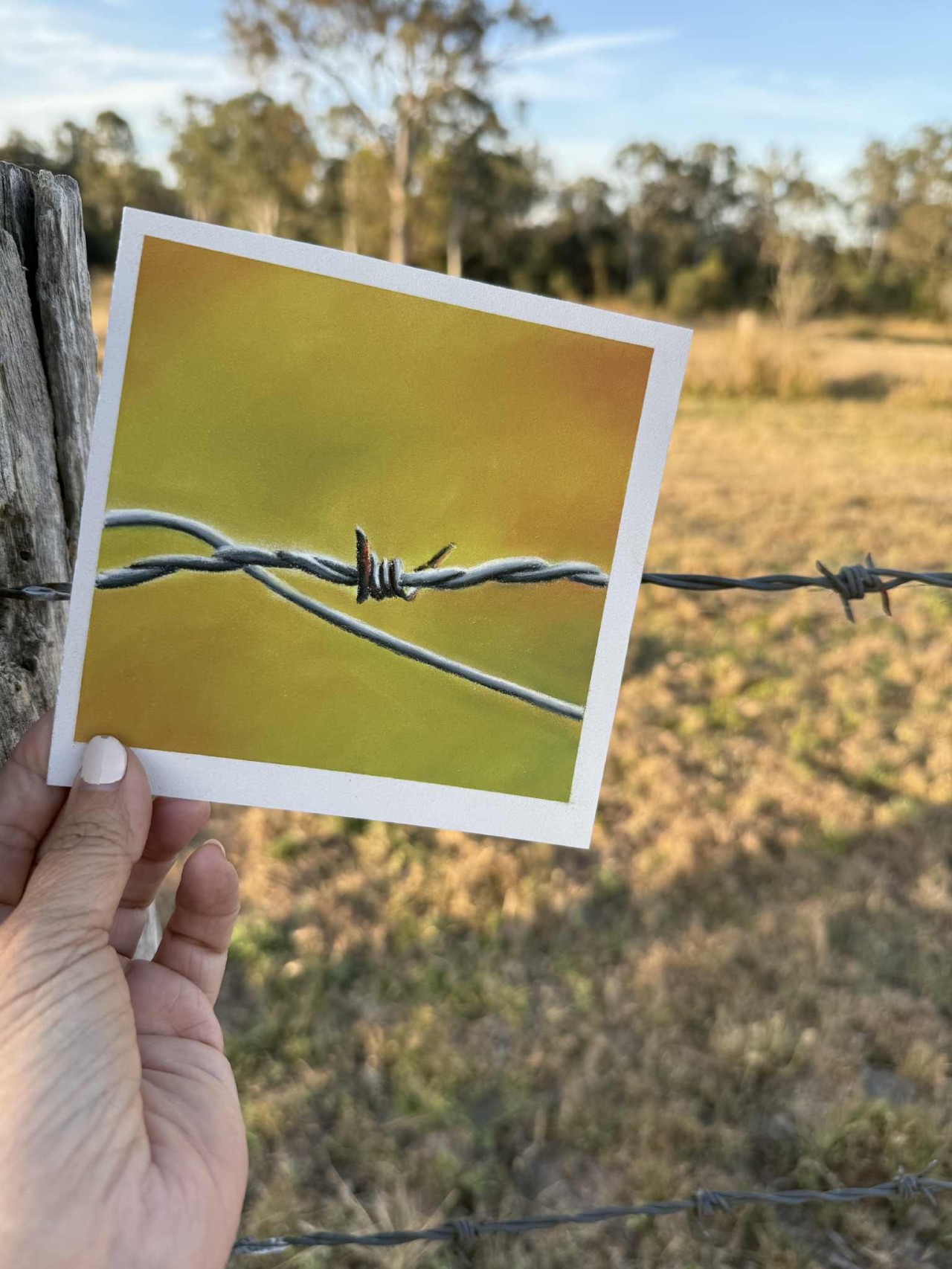
I teach you how to create this little barbed wire piece during the class. Everything you need is in the PDF workbook you'll receive when you register.